
Detail Cantuman
Pencarian Spesifik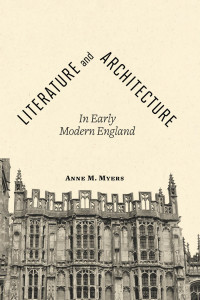
Text Book
Literature and Architecture in Early Modern England
- Bagikan:


Our built environment inspires writers to reflect on the human experience, discover its history, or make it up.Buildings tell stories. Castles, country homes, churches, and monasteries are “documents” of the people who built them, owned them, lived and died in them, inherited and saved or destroyed them, and recorded their histories. Literature and Architecture in Early Modern England examines the relationship between sixteenth- and seventeenth-century architectural and literary works. By becoming more sensitive to the narrative functions of architecture, Anne M. Myers argues, we begin to understand how a range of writers viewed and made use of the material built environment that surrounded the production of early modern texts in England. Scholars have long found themselves in the position of excusing or explaining England’s failure to achieve the equivalent of the Italian Renaissance in the visual arts. Myers proposes that architecture inspired an unusual amount of historiographic and literary production, including poetry, drama, architectural treatises, and diaries. Works by William Camden, Henry Wotton, Ben Jonson, Andrew Marvell, George Herbert, Anne Clifford, and John Evelyn, when considered as a group, are texts that overturn the engrained critical notion that a Protestant fear of idolatry sentenced the visual arts and architecture in England to a state of suspicion and neglect.
Ketersediaan
| 600172 | My Library | Tersedia |
Informasi Detail
| Judul Seri |
-
|
|---|---|
| No. Panggil |
-
|
| Penerbit | The Johns Hopkins University Press : ., 2013 |
| Deskripsi Fisik |
-
|
| Bahasa |
English
|
| ISBN/ISSN |
9781421428451
|
| Klasifikasi |
NONE
|
| Tipe Isi |
-
|
| Tipe Media |
-
|
|---|---|
| Tipe Pembawa |
-
|
| Edisi |
-
|
| Subjek | |
| Info Detail Spesifik |
-
|
| Pernyataan Tanggungjawab |
-
|
Versi lain/terkait
Tidak tersedia versi lain
Lampiran Berkas
Informasi
Akses Katalog Publik Daring - Gunakan fasilitas pencarian untuk mempercepat penemuan data katalog