
Detail Cantuman
Pencarian Spesifik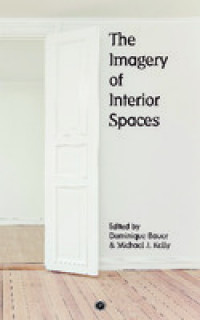
Text Book
The Imagery of Interior Spaces
- Bagikan:


On the unstable boundaries between “interior” and “exterior,” “private” and “public,” and always in some way relating to a “beyond,” the imagery of interior space in literature reveals itself as an often disruptive code of subjectivity and of modernity. The wide variety of interior spaces elicited in literature — from the odd room over the womb, secluded parks, and train compartments, to the city as a world under a cloth — reveal a common defining feature: these interiors can all be analyzed as codes of a paradoxical, both assertive and fragile, subjectivity in its own unique time and history. They function as subtexts that define subjectivity, time, and history as profoundly ambiguous realities, on interchangeable existential, socio-political, and epistemological levels. This volume addresses the imagery of interior spaces in a number of iconic and also lesser known yet significant authors of European, North American, and Latin American literature of the nineteenth, twentieth, and twenty-first centuries: Djuna Barnes, Edmond de Goncourt, William Faulkner, Gabriel García Márquez, Benito Pérez Galdós, Elsa Morante, Robert Musil, Jules Romains, Peter Waterhouse, and Émile Zola.
Ketersediaan
| 600056 | My Library | Tersedia |
Informasi Detail
| Judul Seri |
-
|
|---|---|
| No. Panggil |
-
|
| Penerbit | punctum books : Brooklyn., 2019 |
| Deskripsi Fisik |
-
|
| Bahasa |
English
|
| ISBN/ISSN |
9781950192205
|
| Klasifikasi |
NONE
|
| Tipe Isi |
-
|
| Tipe Media |
-
|
|---|---|
| Tipe Pembawa |
-
|
| Edisi |
-
|
| Subjek | |
| Info Detail Spesifik |
-
|
| Pernyataan Tanggungjawab |
-
|
Versi lain/terkait
Tidak tersedia versi lain
Lampiran Berkas
Informasi
Akses Katalog Publik Daring - Gunakan fasilitas pencarian untuk mempercepat penemuan data katalog